Daily
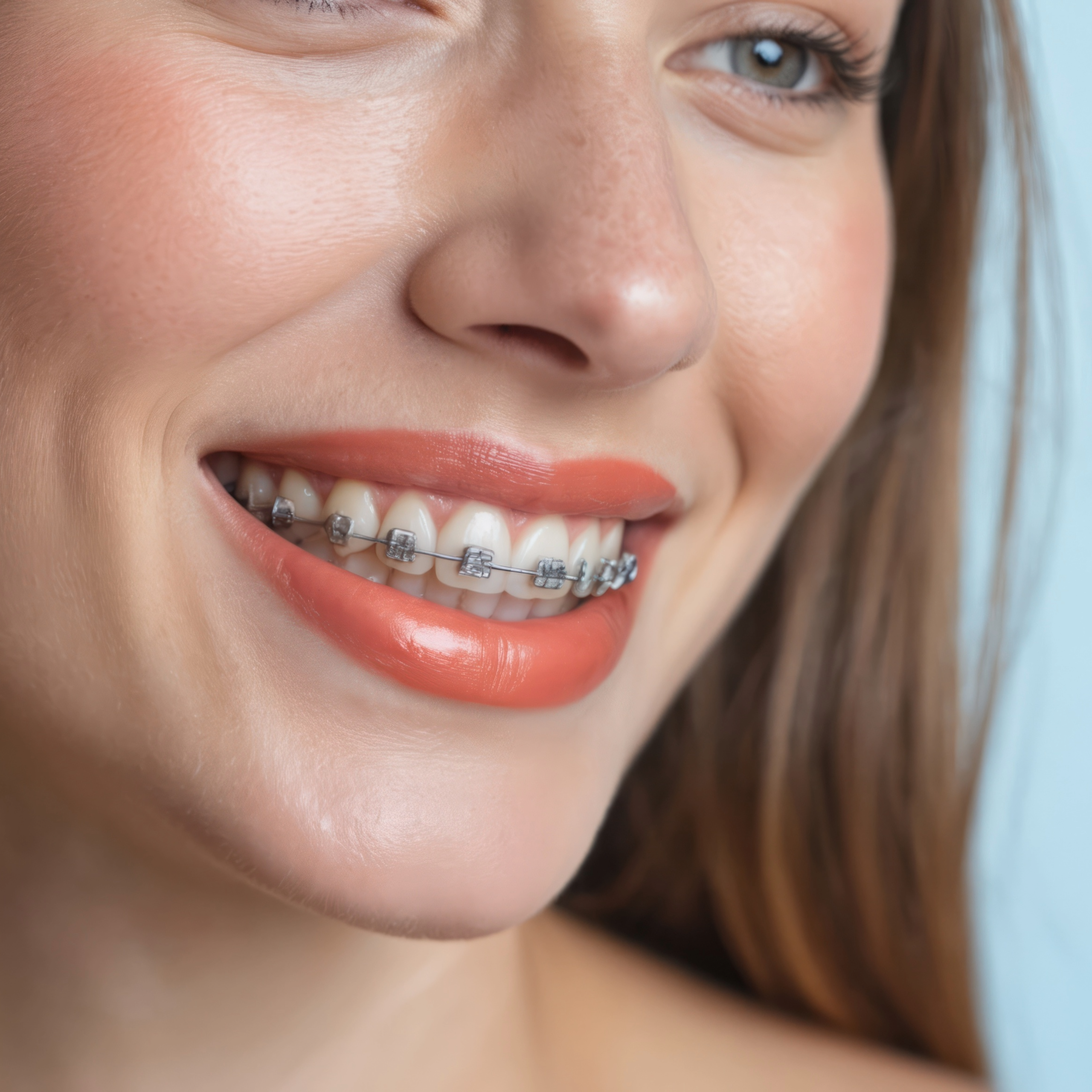
Braces Care
Eating
with braces
What can you eat? Let's talk about what you shouldn't eat! For
the first day or so, stick to soft foods. Avoid tough meats, hard
breads, and raw vegetables. Before long, you'll be able to bite
a cucumber again. But you'll need to protect your orthodontic appliances
when you eat for as long as you're wearing braces.
Avoid:
Chewy foods: bagels, hard rolls, licorice
Crunchy foods: popcorn, ice, chips.
Sticky foods: caramels, gum.
Hard foods: nuts, candy
Foods you have to bite into: corn on the cob, apples, carrots
Chewing on hard things (for example, pens, pencils or fingernails)
can damage the braces. Damaged braces will cause treatment to take
longer.
General Soreness
When you get your braces on, you may feel general soreness in
your mouth and teeth may be tender to biting pressures for three
to five days. This can be relieved by rinsing your mouth with a
warm salt water mouthwash. Dissolve one teaspoonful of salt in 8
ounces of warm water, and rinse your mouth vigorously. If the tenderness
is severe, take aspirin or whatever you normally take for headache
or similar pain. The lips, cheeks and tongue may also become irritated
for one to two weeks as they toughen and become accustomed to the
surface of the braces. You can put wax on the braces to lessen this.
We'll show you how!
Loosening of Teeth
This is to be expected throughout treatment. Don't worry! It's
normal. Teeth must loosen first so they can be moved. The teeth
will again become rigidly fixed in their new--corrected--positions.
Care of Appliances
To successfully complete the treatment plan, the patient must
work together with the orthodontist. The teeth and jaws can only
move toward their corrected positions if the patient consistently
wears the rubber bands, headgear or other appliances as prescribed.
Damaged appliances lengthen the treatment time.
Brushing
It's more important than ever to brush and floss regularly when
you have braces, so the teeth and gums are healthy after orthodontic
treatment. Patients who do not keep their teeth clean may require
more frequent visits to the dentist for a professional cleaning.
Adults who have a history of gum disease should also see a periodontist
during orthodontic treatment.
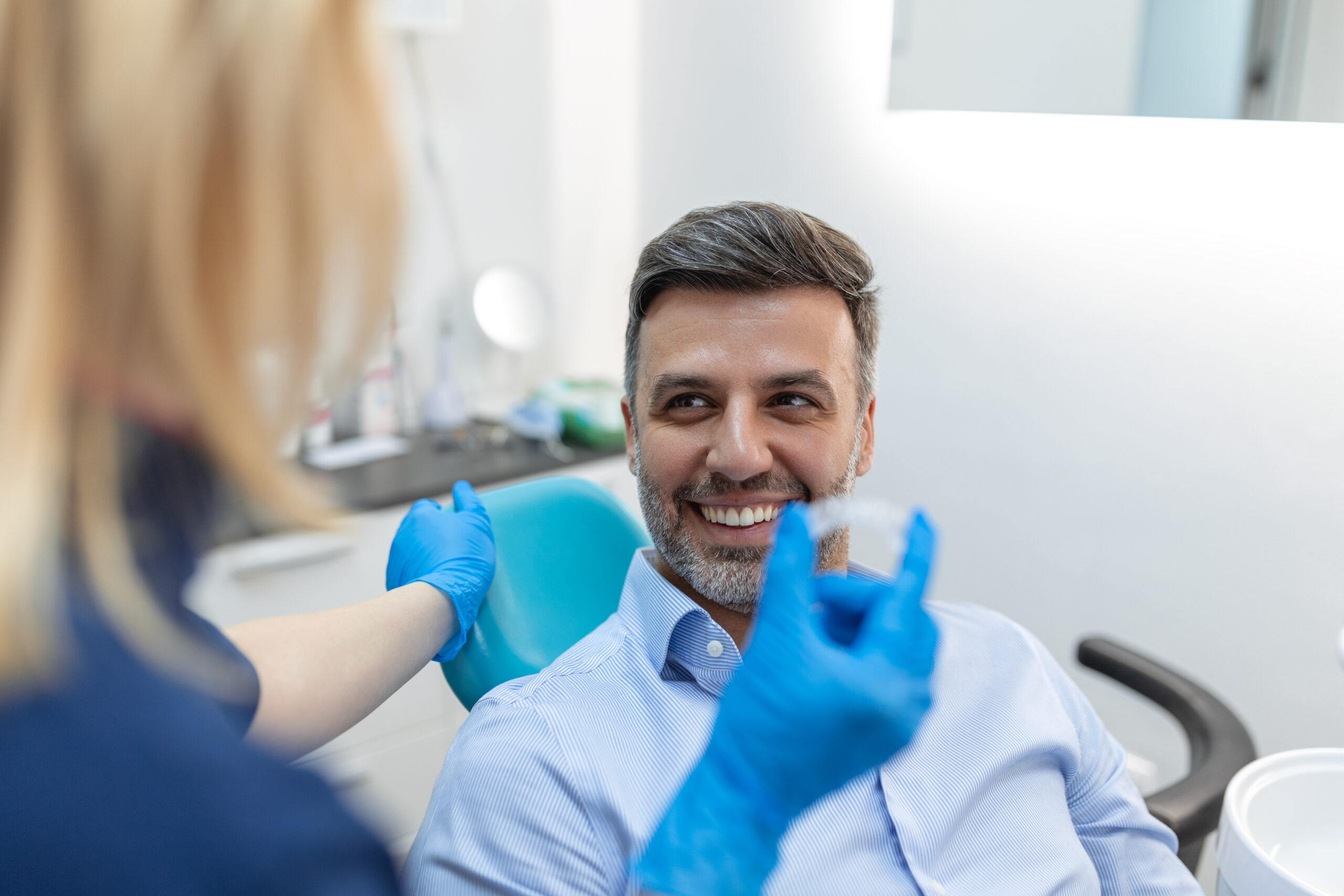
Instructions for Removable Appliances
- All appliances should be worn twenty-four hours a day unless
instructed otherwise by Dr. Benkovich. This time includes while
sleeping.
- When you first start wearing an appliance your speech may sound
different to you. Don’t remove your appliance to speak.
The more that you speak the faster things will improve. You can
help things along by reading a book out loud to a family member.
- You must keep your appliance clean. The appliance will collect
plaque like teeth do. Over time this can cause an odor. When you
brush your teeth you need to brush your appliance also. Gently
hold your appliance by the plastic in the palm of your hand and
with your toothbrush firmly brush all areas of your appliance.
( be careful not to bend your wires)
- Sometimes you may have a little discomfort when you first receive
a new appliance. Removing them to make things feel better is not
the answer, your relief will only be temporary. As soon as you
place them back in the discomfort will start over again. Just
know by wearing your appliance as instructed (Full time) gradually
over 3-5 days your teeth will feel much better.
- The only time your appliance should be removed is if you’re
swimming in water where you can not see the bottom, playing a
contact sport, brushing, and eating. If you remove your appliance
it should be placed into your appliance case immediately. (this
will help avoid loss or breakage) It is expensive to replace your
retainer.
- Do Not:
| • |
do not click appliance in and out of mouth
with tongue (wire will break) |
| • |
do not leave appliance in a extreme heat |
| • |
do not leave where a pet can get to them (they will eat
them) |
| • |
do not place them in your pocket, book bag, purse, etc.
with out
being put into your case. |
| • |
do not try to repair at home (with Crazy Glue) |
- When your braces come off. Wearing your appliance is
very important. If your appliance is not fitting please contact
the office immediately. Your appliance is made to hold your teeth
in their new position. Your teeth will move with poor retainer
wear.
Removable Expander Instructions
- Wear your expander all the time. That means all day, during
meals, and while sleeping.
- Remove your expander only to brush your teeth. Brush your expander
at least twice a day with a toothbrush and toothpaste.
Fixed expander instructions
- Turn your expansion screws as instructed. Insert the key into
the hole and turn toward the arrow.
- If you are unable to keep your scheduled appointment, stop turning
the expander.
Athletics
If you play sports, it's important that you consult us for special
precautions. A protective mouthguard is advised for playing contact
sports. In case of any accident involving the face, check your mouth
and the appliances immediately. If teeth are loosened or the appliances
damaged, phone at once for an appointment. In the meantime, treat
your discomfort as you would treat any general soreness.
Loose Wire or Band
Don't be alarmed if a wire or band comes loose. This happens occasionally.
If wire protrudes and is irritating, use a blunt instrument (back
of spoon or the eraser end of a pencil) and carefully, gently push
the irritating wire under the archwire. Simply get it out of the
way. If irritation to the lips or mouth continues, place wax or
wet cotton on the wire to reduce the annoyance. Call our office
as soon as possible for an appointment to check and repair the appliances.
If any piece comes off, save it and bring it with you to the office.
Emergency Care
As a general rule, an emergency appointment may be made when there
is severe pain, a loose band, a broken wire or something sticking
out that you can't take care of. It's important to know the names
of the parts of your appliances. It will help, when you phone the
office, to be able to identify what part is broken or out of place.
|